What to Sow in July in Ireland: The Italian Summer Garden
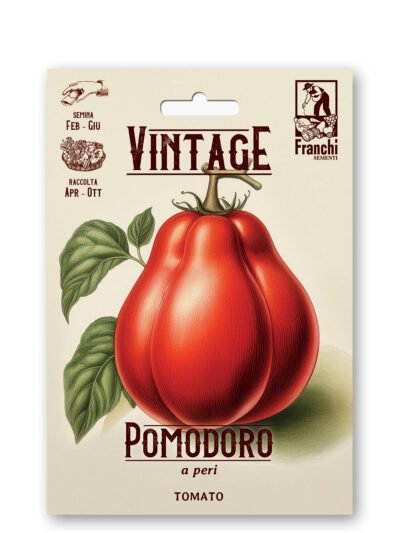
July is the month that divides kitchen gardeners into two groups. The first group is eating better than they have eaten all year, harvesting daily, planning meals around whatever is ready rather than around what is in the fridge. The second group is overwhelmed, behind on everything, and wondering why their courgettes have gone hollow. The difference almost always comes down to what happened in April and May. But there is still plenty you can do in July, and some of it is genuinely urgent.
This is the month you sow for autumn. While July harvests are at their peak, the sowings you make now will carry you through October, November and beyond. The Italian kitchen garden calendar works as a relay: the summer crops are still producing at full speed while the autumn crops are just getting started in the ground. This overlap is the whole secret to year-round kitchen garden production in Ireland.
What to Sow in July: The Autumn Relay
Radicchio: Now or Never
If you grow one thing from this list, grow radicchio. July is the correct and almost non-negotiable sowing window for radicchio in Ireland. Sow earlier and it bolts without forming a head in the first warm spell. Sow after mid-July and the heads do not develop before the cold arrives. This three to four week window in July is the timing that Italian growers discovered over centuries and it works just as precisely in Irish conditions.
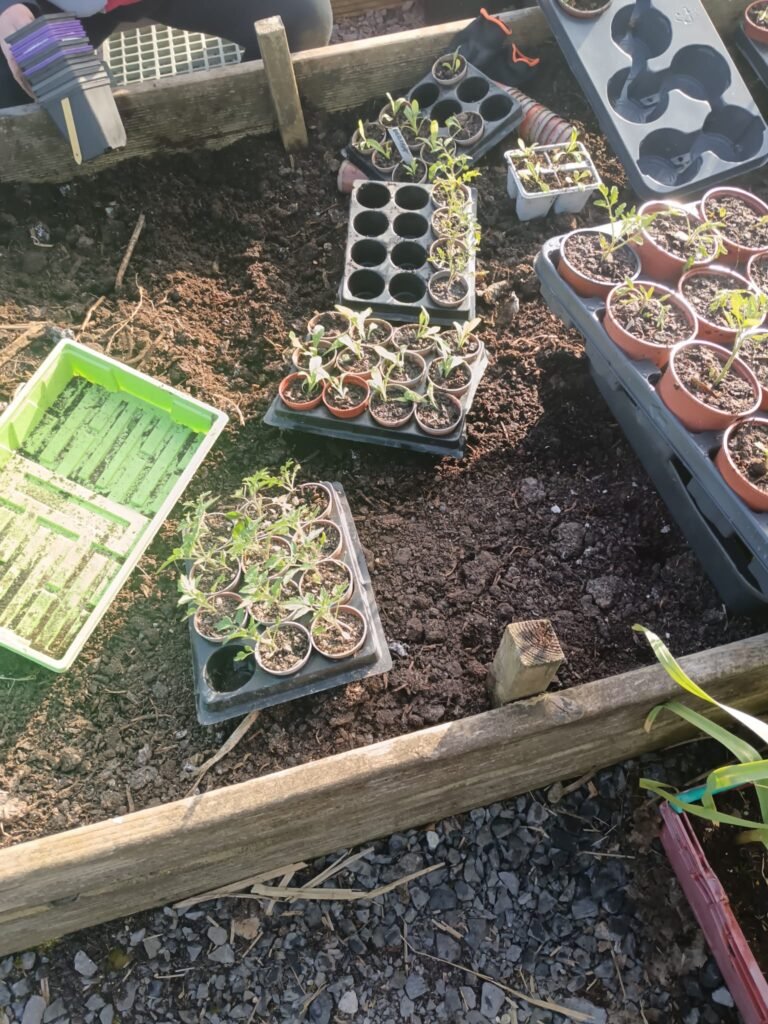
Sow into modules indoors. Each module one or two seeds, thinning to one. Keep somewhere bright and warm. Transplant out in August at thirty centimetre spacings. From October through December you will have bitter, beautiful heads that are unlike anything else in the Irish kitchen garden. Serve with roasted pears, toasted walnuts, good Parmesan and the best olive oil you have. That combination is extraordinary.

Radicchio Tonda di Verona
Buy seeds →
Cavolo Nero: Last Chance
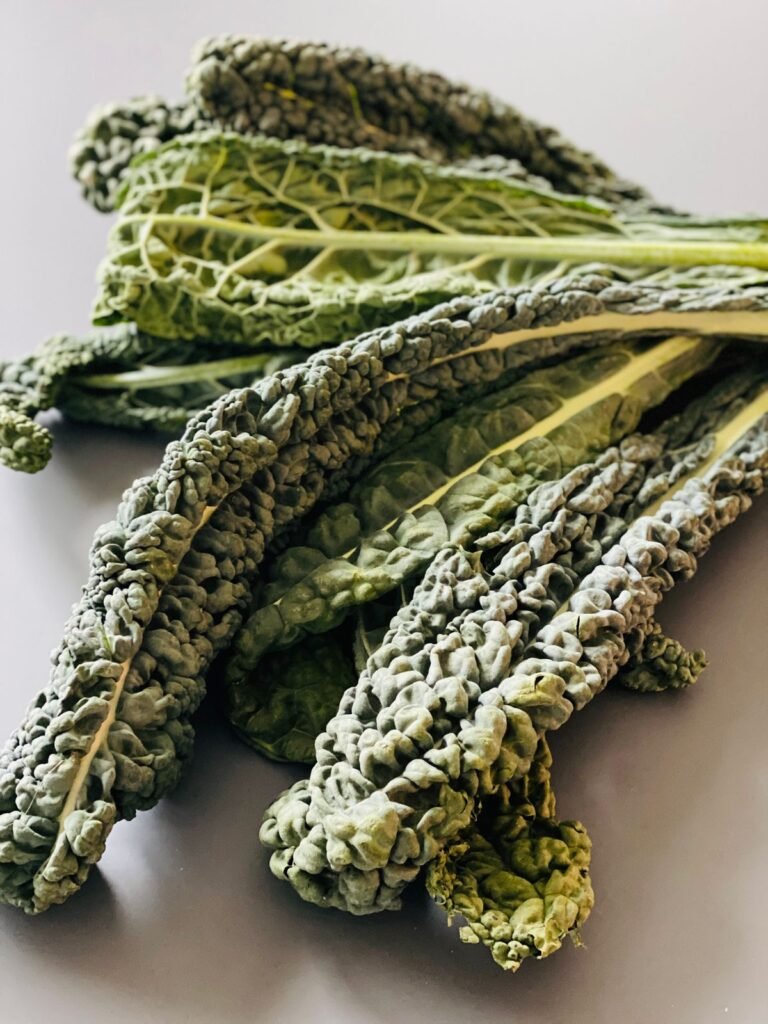
If you have not yet sown Cavolo Nero this year, July is your last realistic window for a productive autumn and winter harvest. Sow now into modules and you will be transplanting in August for harvesting from October. The outer leaves can be taken continuously while leaving the growing tip intact, and the plant will produce through the coldest Irish winter weather. The flavour deepens after frost. This is the vegetable that makes an Irish kitchen garden genuinely productive through the months when nothing else is growing.
If you missed both May and June sowings, do not give up entirely. A July sowing produces a smaller plant but still a functional one. It will not give you the tall, abundant growth of a May sowing, but it will give you something substantial to harvest from November onwards, which is considerably better than the alternative.
Fennel: On Time
July is the ideal month to sow Florence fennel for bulbs in September and October. The key with bulbing fennel in Ireland is to avoid the longest days. Plants sown earlier in the year are triggered to bolt by the combination of heat and long daylight hours. July sowings avoid this almost entirely. Sow direct where it is to grow, or into deep modules if you need to transplant, as fennel dislikes root disturbance. Fennel Mantovano is the heritage variety for this sowing: developed in the Po Valley for exactly this kind of timing, producing tight, anise-scented bulbs in September and October.
The fennel that comes from a July sowing in Ireland is exceptional. The cool September temperatures concentrate the anise flavour in a way that summer-grown fennel in southern Europe rarely achieves. Roast it with olive oil and lemon. Slice it raw over salads with orange segments and black pepper. Braise slowly with white wine and fish. One sowing, three months of versatility.
Winter Salad for the Polytunnel
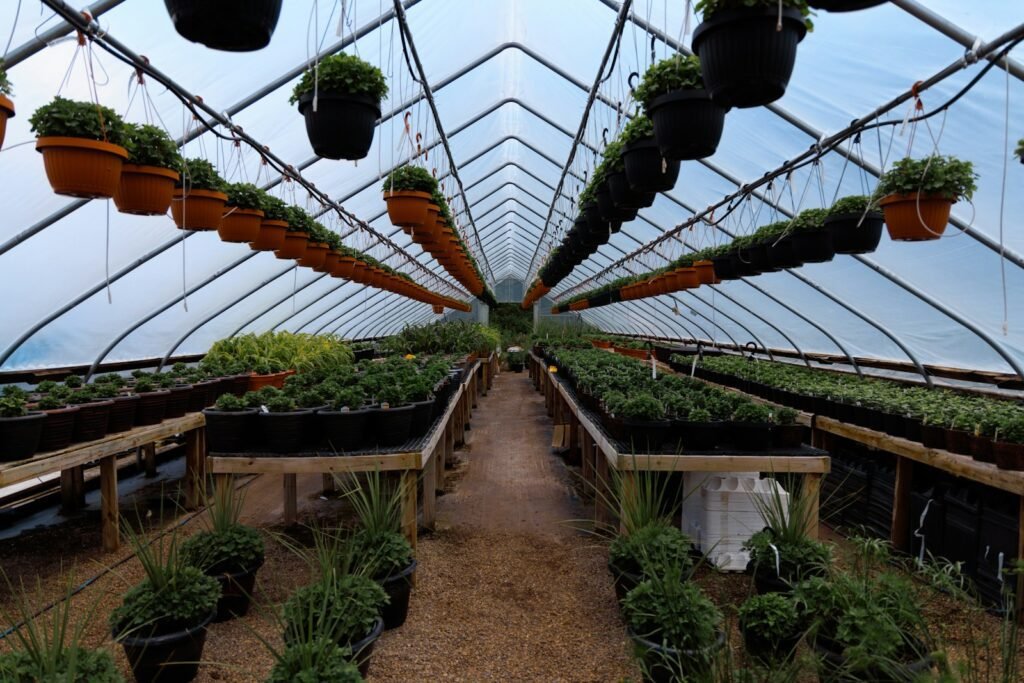
If you have a polytunnel, July is the time to sow the winter salad leaves that will be productive from October through March. Lettuce varieties, spinach, rocket and oriental leaves all sown into the polytunnel in July will be established and productive long before outdoor conditions make leaf growing impossible. These are not the primary focus in July, but setting aside one small area now for a direct-sown winter salad mix takes twenty minutes and pays dividends for six months.
July Harvesting: What to Pick and When
Courgettes: Pick Every Day Without Exception
A courgette plant left unpicked for two days in July heat will produce a marrow. This is not an exaggeration. The plant’s entire purpose, once it has set fruit, is to ripen seed, and a large courgette diverts the energy that would otherwise go into new fruit production. Pick at ten to twelve centimetres for the finest flavour and the highest total yield over the season. Pick at fifteen centimetres if you missed yesterday. Pick at twenty centimetres and accept that you are now harvesting a different vegetable entirely.
When you have more courgettes than you can eat, which in a normal July you will, make courgette soup. It freezes well. Stuff large ones with a mixture of ricotta, lemon zest and fresh basil. Slice thin, dress with olive oil and lemon, and eat raw as a salad with Parmesan shavings. Fry slices in olive oil until golden. The Italians have been dealing with courgette abundance for centuries and the solutions are all excellent.
Broad Beans: Take the Last of Them
By July the broad bean season is usually coming to an end. Pick the remaining pods while the beans inside are still green and fresh. If you let them go past this point the beans become starchy and mealy. The final July harvest is often the sweetest: the plants have had the longest time to develop, and smaller late-season pods often contain beans with a more concentrated flavour than the first flush. Once the plants are finished, pull them out and add them to the compost. Their roots have fixed nitrogen into the soil, which benefits whatever you plant next in that bed.
Polytunnel Tomatoes: Watch and Wait
If you sowed tomatoes in late February and planted them into the polytunnel in mid-May, your plants will be flowering heavily through July and the first fruit will be swelling. Ripening typically begins in August for most polytunnel varieties. In July your job is maintenance: remove side shoots weekly without fail, water at the base every two days without letting the soil either dry out completely or become waterlogged, and feed with a high potassium liquid tomato feed every week from the moment you see the first flower truss. This last point is critical. The feed needs to be in the root zone before the fruit sets, not after.
S. Anna Climbing French Bean
S. Anna climbing beans sown in late May will be setting pods through July. Stringless and early, the pods are ready to pick before they develop any toughness, and picking regularly encourages the plant to keep producing through August and September. The plants climb to two metres on a simple cane frame, taking up minimal horizontal space while producing abundantly above ground. Pick the pods young, cook briefly and dress with olive oil and garlic. This is one of the most reliable harvests of the Irish summer.
Slug Control: Third Nematode Application
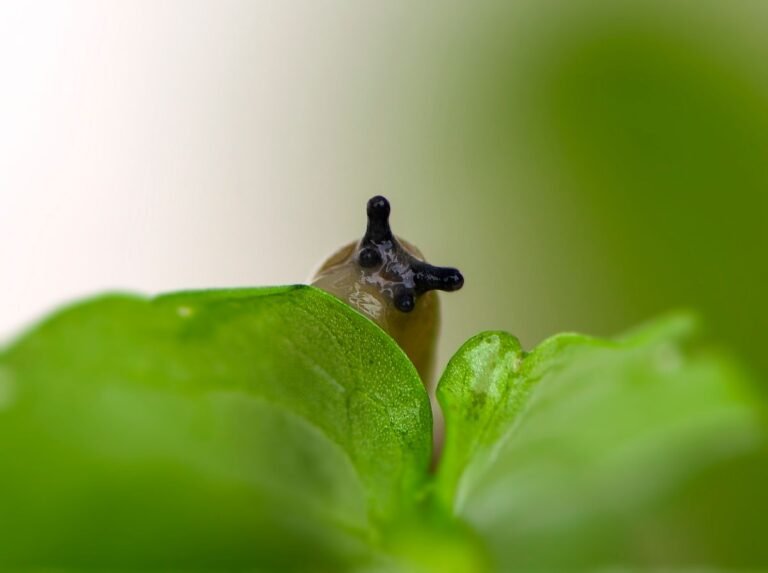
July is the third nematode application window in the Irish year, and conditions in July make it one of the most effective. Soil temperature is at its highest, the nematodes are active and fast-moving, and the moist conditions that Ireland reliably provides even in summer mean the application window is almost always available. If you applied nematodes in March and April, your July application completes the cycle that keeps underground slug populations suppressed through the peak growing season.
Apply to moist soil in the early morning or evening to avoid direct sun exposure. Water thoroughly after application and for the following week if conditions are dry. The investment of thirty minutes of application time prevents the kind of overnight seedling destruction that can wipe out an entire tray of radicchio or cavolo nero transplants before they even establish.
Feed and Maintain: The July Routine
By July the main garden jobs are a rhythm rather than a plan. Every morning: pick courgettes, check tomato water levels, look for slug damage overnight on any newly transplanted seedlings. Every week: feed tomatoes, remove tomato side shoots, check copper tape joins on raised beds after any heavy rain, water polytunnel crops at the base.
The one thing most July gardeners forget: compost management. Every crop that finishes leaves material for the compost heap. Broad bean plants after harvest, spent pea vines, any lettuce or spinach that has bolted, these all go on the heap now. The compost made from July garden waste will be ready for use by the following spring. This is the circular economy of the kitchen garden, and it is one of the things that makes the whole system progressively cheaper and more productive over time.
The Italian July Garden
In Italian kitchen gardens in July, the focus is on two things simultaneously: enjoying what is ready now and ensuring what comes next. The passata made from August tomatoes begins with the work of July, the maintenance and feeding that brings the plants to their peak. The radicchio and fennel of October begin with the sowings of July. The climbing beans of August begin with the plants racing up their frames in July sunshine.
This is what Welly to Belly looks like in the middle of the season: not just enjoying the harvest, but keeping both hands busy at once. One hand picking, one hand sowing. It is the approach that makes the kitchen garden productive for ten months of the year rather than three.